Q&A with Sarah
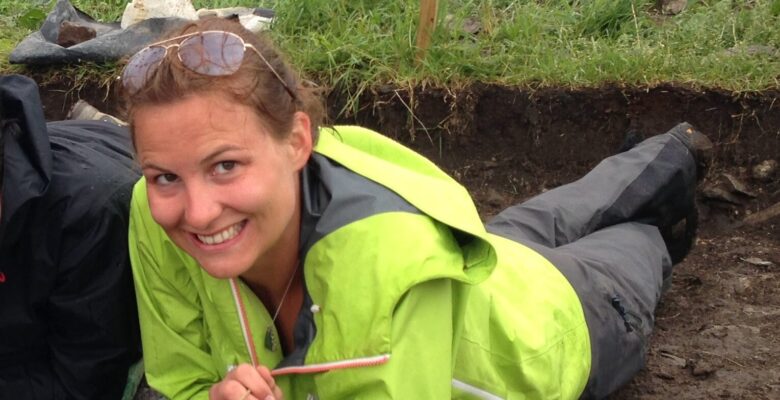
Sarah is a Project Archaeologist and Permit Holder in Alberta, which means she is often the person with the answers, the paperwork, and the final call. Sometimes all at once.
She did not set out with a perfectly mapped career plan. She followed curiosity, asked too many questions about bones, and eventually found herself exactly where she should be.
We caught up with Sarah to talk about how she landed in consulting archaeology, what the field really demands, and why she keeps coming back for more, even when the bugs are relentless and the days are long.
What made you pursue archaeology as a career path?
I always loved history and started my undergrad as a double major in history and anthropology. What really pulled me in was archaeology’s ability to move beyond kings and conquerors and focus on people who never left a written record. I also had a fantastic physical anthropology professor, and that was enough to hook me.
At the time, I never thought archaeology would turn into a career. After undergrad, I worked in a geotechnical engineering lab. One day, some field techs came back talking about disturbing animal bones during testing. I started asking questions. What kind of animal? Was it more than one? Did it look like a burial or a midden? Somewhere in there, it became obvious how much I missed archaeology.
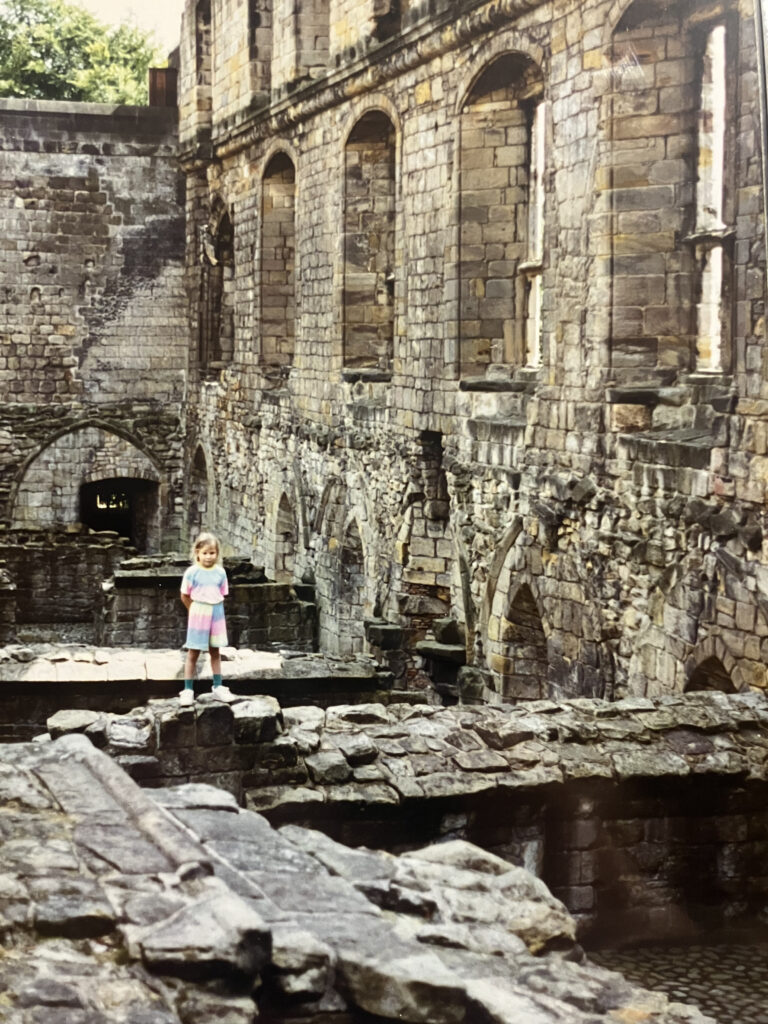
That led me to field school in Ireland, where I worked on the excavation of a Dominican friary established in the 13th century. When I got back, I emailed every CRM company in Alberta while also applying to grad school. Marg, (Circle’s CEO), called me back, and I spent that summer in the field before heading to Durham University for my Master’s and eventually my PhD.
When I finished, I reached out to Marg to see if I could have my old job back. Turns out, timing matters. I’ve been with Circle ever since.
What do you find the most challenging about being a field archaeologist, especially as a female in the industry?
It’s usually the quiet assumptions. I’ve had male field techs ask me to sew holes in their pants, which is not something I imagine they would ask a male Permit Holder. I’ve also had clients or contractors assume I’m not the one in charge when I’m working alongside male colleagues.
I see a lot of hesitation from women and younger archaeologists entering the field, especially around respect and safety in industry settings. Those concerns are real. But in my experience, the work speaks first. When you show up prepared, do the job well, and prioritize safety, that’s what people pay attention to.
 What are some difficulties you faced in university or field school?
Grad school was when I really had to confront my mental health. What had been depression became a mix of anxiety and depression that made everything feel harder than it needed to be.
I was fortunate to be at a university where mental health was taken seriously. I had access to support programs, and my supervisors were incredibly understanding. I’ve known too many people who did not have that support and whose careers ended because of it.
It is still a work in progress. But I now have the tools to manage my mental health alongside my career, not in spite of it.
What keeps you motivated in the field, or what advice would you give your younger self?
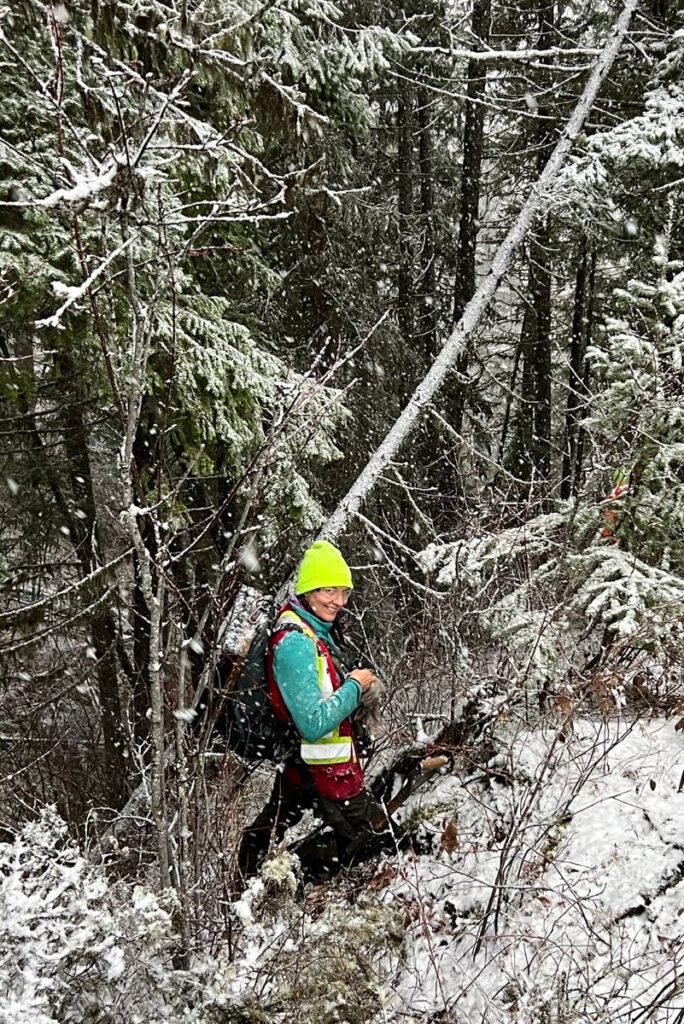
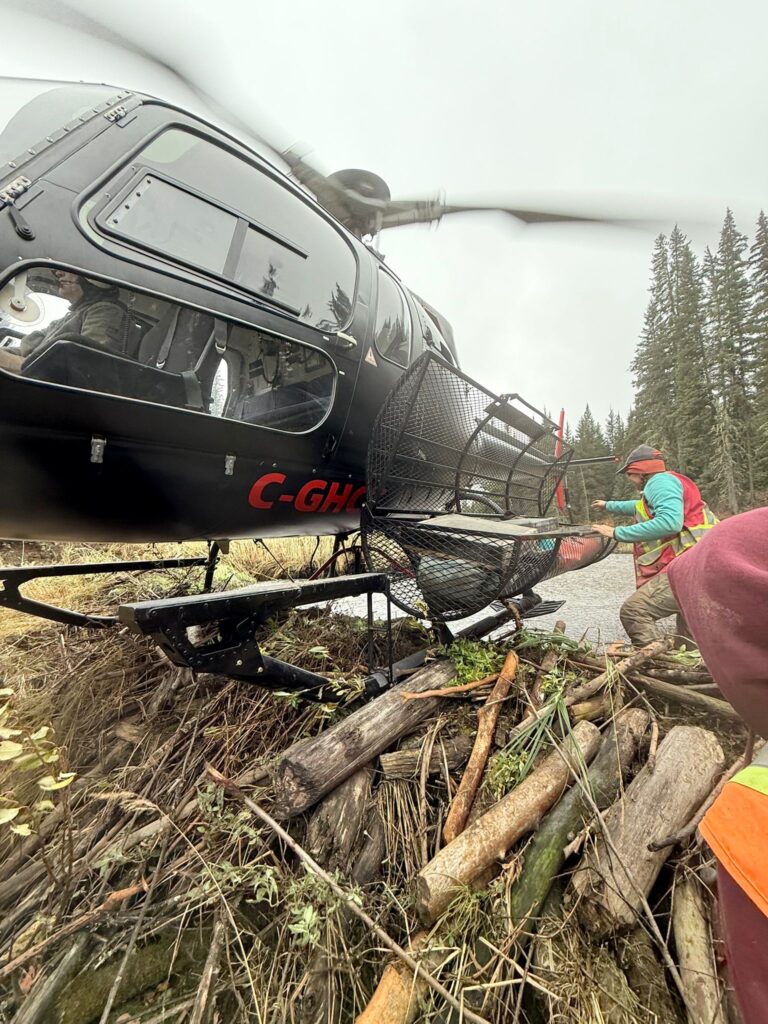
I genuinely love fieldwork. The good days outweigh the bad. There are days when breathing feels optional because of mosquitoes, and days when every fallen tree feels personal. But I get to spend my time in places most people never see, doing work that constantly teaches me something new.
If I could give my younger self advice, it would be this: the hard days are not a sign you are doing it wrong. They are part of learning how to do it well.
What is one piece of field equipment you absolutely cannot live without?
My buff. No hesitation. It keeps my hair out of my face and bugs out of my ears. Without it, my patience drops quickly. With it, I can focus on the archaeology, which is the whole point.
We’re always on the lookout for great people!
If your next career move involves good work, good people, and a lot of time outdoors, our Jobs page is a good place to start. For a closer look at day-to-day life at Circle, you’ll find us on Instagram.
SHARE THIS:


